


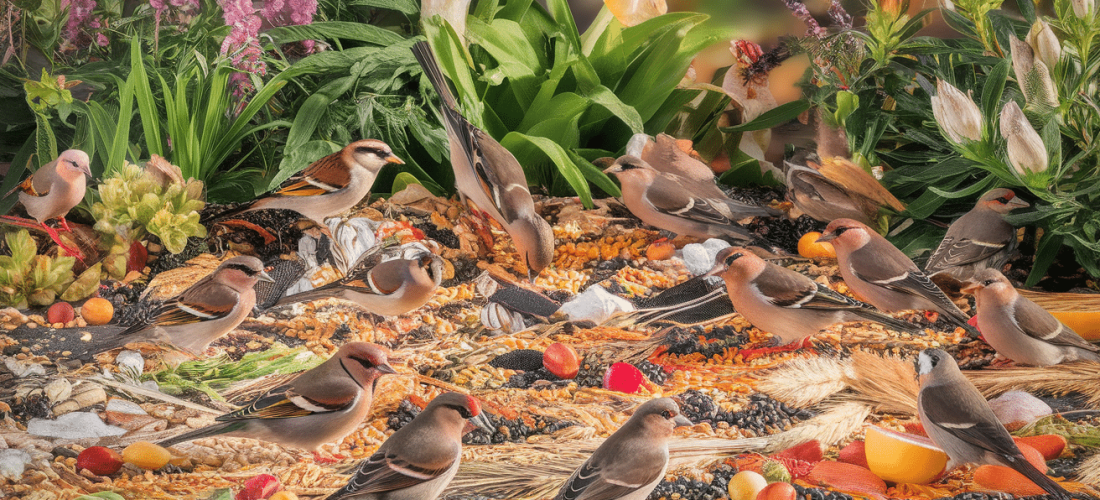
Dietary diversity plays a fundamental role in the lives of granivorous birds. These species, which primarily feed on seeds, need a varied diet to ensure their health and well-being. Understanding the nuances of this diet helps to appreciate their contribution to the balance of our ecosystems and harmony in our gardens.
Table of Contents
ToggleA diversified diet for better health
A diet rich in varieties of seeds is essential for granivorous birds. This allows them to obtain the nutrients necessary for their survival. Indeed, each type of seed has a unique nutritional composition. Thus, by diversifying their diet, these birds stock up on vital elements such as fatty acids, proteins, and vitamins.
Moreover, a varied diet encourages the natural behaviors of birds. By seeking different food sources, they improve their agility and their ability to adapt to changes in their environment. This dynamism is crucial for their survival, especially in rapidly evolving habitats.
The impact on biodiversity
Granivorous birds play a key role in seed dispersal. By consuming and excreting seeds, they facilitate the growth of new plants. This encourages floral diversity and contributes to the richness of ecosystems. Indeed, varied flowering attracts other species, creating a virtuous circle of interactions within nature.
Dietary preferences and adaptation
Each species of granivorous bird has its own food preferences. Some may favor certain seeds while occasionally incorporating insects or other foods. This dietary flexibility can often determine their resilience to environmental stresses, such as scarce food resources or seasonal changes.
Feeding practices in our gardens
To attract these magnificent creatures to our gardens, it is crucial to offer them a range of foods. Setting up feeders with different types of seeds, fruits, or even vitamins can create an irresistible feast. Enthusiasts must ensure the cleanliness and balance of the foods offered to maintain good avian health.
Finally, watching these birds while they eat can become a passion. It allows us to better understand their behaviors and when they are most active. An enriching interaction with nature at every moment.
A collective responsibility
Let us encourage the dietary diversity of granivorous birds to preserve their health and that of our ecosystems. Nature offers us valuable lessons on the importance of balance and variety. As attentive observers, what do we do to promote this balance in our own spaces?


