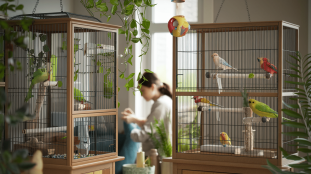
A caged bird requires a balanced diet to thrive. Seeds, vegetables, fruits, and supplements each play an important role in its well-being. Each component not only nourishes the body but also contributes to the harmony of their environment. Let’s discover together how to feed these charming feathered companions.
Table of Contents
ToggleSeeds: the foundation of birds’ diet
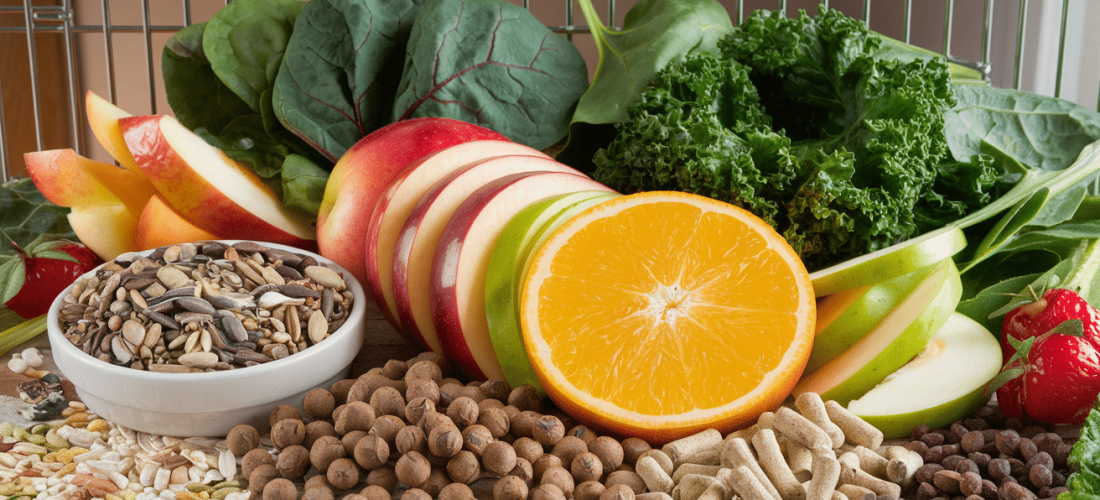
Seeds are the main source of nutrition for cage birds. Each species has its preferences. Granivores mostly feed on specific mixes. It is crucial to choose fresh seeds of good quality to ensure good health. A suitable mix provides the necessary nutrients, such as essential proteins and fats.
Vegetables: a touch of freshness
Enriching the diet with fresh vegetables is very important. They provide fiber, vitamins, and minerals. Offering raw vegetables, such as carrots and broccoli, supplies a variety of nutrients. These represent about 15% of their diet. Moreover, these foods promote good digestion and shiny plumage. Diversity is key when choosing vegetables.
Fruits: a sweet delight
Fresh fruits add a sweet touch to your bird’s diet. Options like apples, bananas, or oranges will delight delicate beaks. They are important sources of vitamins and hydration. Birds love to nibble on these natural treats. Maintain balance by ensuring fruits do not exceed 10% of their daily food intake. Enthusiasm is guaranteed with every bite!
Dietary supplements: the little extra
In addition to seeds, vegetables, and fruits, dietary supplements can be added for maximum benefits. These include enriched pâtés or sprouted seeds. These additions are rich in proteins and promote growth. Extra minerals and vitamins help strengthen your bird’s immune system. Every small gesture counts to ensure their health.
Creating a stimulating environment for birds
Feeding your bird properly goes beyond simple rations. A stimulating environment is essential. Providing several bowls with a variety of mixes ensures a diversified diet. Consider incorporating activities that encourage exploration and interaction in their cage. This stimulates their curiosity and happiness.
What do you think is the most important aspect of feeding your birds? Share your experience!