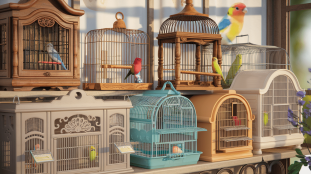
The question of caging birds raises many issues. For many, it is a choice that may seem counterintuitive. Why put these celestial creatures in a confined space? Yet, this practice can have several meanings and benefits, both for the bird and its owner. Let us explore together the reasons behind this decision.
Table of Contents
ToggleA safe shelter
Knocking on nature’s door also means understanding its dangers. Caging a bird allows it to be protected, especially from predators. In the wild, these small beings face many enemies. In a cage, they benefit from a refuge that provides them with a sense of security. This sanctuary then becomes a haven where they can thrive without fear.
Facilitating interactions
The cage acts as a bridge between the bird and its owner. When a bird is comfortable in its space, it is more inclined to interact. This encourages social bonds, essential for its well-being. A parrot, for example, becomes more communicative, flourishing in an environment where it receives attention and exchanges. The cage can offer a life rich in stimulation.
Preserving specific species
In a world where some species are endangered, captivity has become a way to protect them. Housing birds in cages can contribute to conservation efforts. Breeders and enthusiasts often seek to preserve threatened habitats by raising birds in captivity. This choice raises important ethical questions, but sometimes commitment is necessary to save biodiversity.
Owner’s responsibility
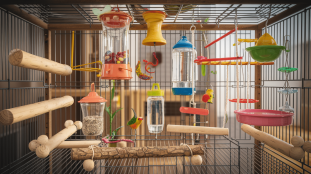
Owning a caged bird involves a significant responsibility. It is a commitment to ensure its well-being. Owners must provide an adequate space, a varied diet, and toys. The cage must become a pleasant living place where the bird can move freely. When well equipped, it becomes a true space of growth and flourishing.
A subtle link between captivity and freedom
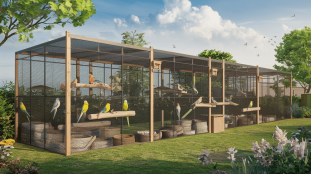
The balance between captivity and freedom must be carefully studied. A bird needs to live without closed doors. While the cage can sometimes harm its natural instincts, it can also represent a protective structure. How to find this vital balance between freedom and security? This question remains open for all who want the best for these feathered companions.
And you, what do you think? What are your experiences regarding the captivity of birds?