Raising lovebirds requires special attention and a thorough understanding of their needs. These adorable and affectionate birds, often referred to as lovebirds, need a rich and stimulating environment. With proper nutrition, a suitable habitat, and appropriate socialization techniques, you can ensure their happiness and well-being.
Table of Contents
ToggleCreating a Suitable Habitat
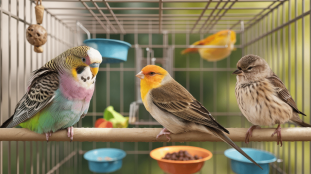
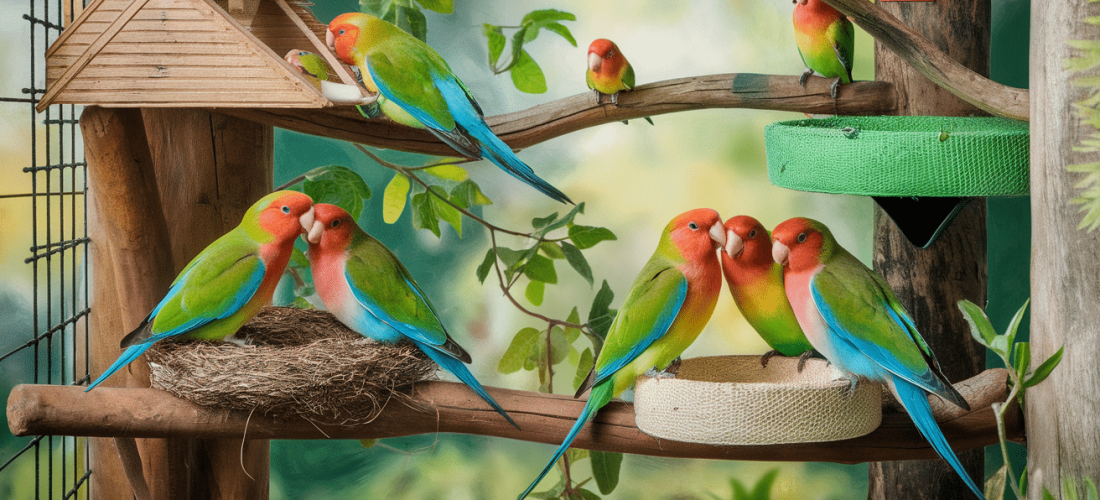
For the well-being of lovebirds, a spacious habitat is essential. The size of the cage must be sufficient to allow the birds to move freely. An aviary can be a good option. Equip the cage with perches of various sizes and install toys to stimulate their curiosity. The location of the cage is also crucial: place it in a quiet area, ideally near family life, but away from drafts and direct sunlight.
Balanced Nutrition
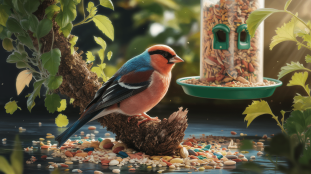
A varied diet is essential to maintain the health of lovebirds. Offer them a seed mix specially designed for parrots, enriched with fresh fruits and vegetables. Lovebirds particularly enjoy pears, carrots, and spinach leaves. Do not forget to eliminate any toxic food, such as avocado or chocolate, and ensure constant access to fresh water.
Taming and Socialization
Taming lovebirds is a fundamental step to establish a trusting relationship. Take the time to interact regularly with them. Accustomed to your noise and scent, they will be more inclined to approach you. Introduce your hands into the cage with treats to encourage them to come to you. Give them time to acclimate to your presence without rushing them.
Health Monitoring
The health of your lovebirds requires constant attention. Daily monitoring of their behavior and plumage will allow you to detect any health issues. Do not hesitate to consult a specialized veterinarian if you notice signs of concern. Additionally, annual check-ups can help prevent common diseases in these birds.
Social Interactions
Lovebirds are social animals that thrive in pairs. It is advised to have at least two so they can interact with each other, but moments of interaction with their owners are also essential. Spend time handling them, playing with them, and encouraging their natural behaviors. This promotes the development of a strong and close relationship.
Understanding Their Reproduction
If you decide to raise lovebirds, it is important to understand their reproductive cycle. Provide them with a suitable nest if you want them to breed. Observe couple behaviors: lovebirds spend a lot of time grooming and cuddling each other. These gestures are essential to create healthy and strong bonds.
Patience, the Key to Breeding
Raising lovebirds requires patience and time. Each bird will react differently to the environment and attention. Be attentive to them and adapt your methods as you go. Your dedication will bear fruit when you see your lovebirds flourish.
Lovebirds, by their nature, teach us so much about love and attention. What challenges have you encountered in breeding these fascinating birds? Share your experience!