Raising moineaux du Japon requires specific skills to ensure a healthy and productive environment for them. Knowing their habitat, diet, and reproduction is fundamental to succeeding in this breeding. Every detail matters, from the cage size to the quality of the food, to ensure their well-being.
Table of Contents
ToggleChoosing the ideal habitat
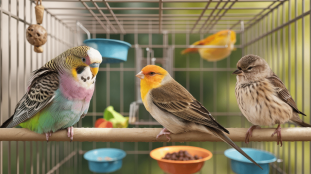
For our winged friends, a spacious cage is essential. The following dimensions are recommended: 60 x 35 x 46 cm minimum for a pair. An aviary is actually more suitable, offering more space to thrive. The moineaux du Japon love to jump and fly. A safe habitat, sheltered from drafts and direct sunlight exposure, promotes their well-being.
Accessories such as varied perches, feeders, and a bathing area are essential. These elements enrich their environment and improve their quality of life. Don’t forget to include non-toxic plants, which embellish the space while providing additional stimulation for your birds.
A balanced diet
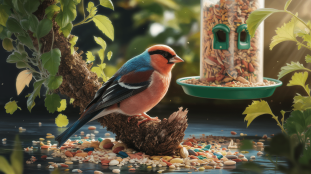
A varied diet ensures the health of these small passerines. Their diet should include 40% seeds, 40% specific pellets, and 20% fresh fruits and vegetables. Fruits, like apple and banana, provide vitamins necessary for their metabolism. Special attention must be given to foods to avoid such as sugary treats, which can harm their digestive health.
Mating and reproduction
The reproduction process begins by providing a nest box in their habitat. Male moineaux, displaying characteristically attractive behavior, will begin a song during mating. The female usually lays between 4 and 8 eggs, which she incubates with the help of the male. To maximize the brood’s success, it is recommended to remove the nest once the chicks are awakened, to prevent too early a new laying.
Monitoring the health of moineaux
The health of moineaux du Japon depends on good hygiene and a diet rich in vitamins and minerals. Keep an eye on their behavior; any change can indicate an underlying health issue. Quarantine is recommended before introducing a new bird to avoid the spread of diseases.
Finally, particular attention to preventing parasites is crucial. By providing a clean and secure habitat, these little creatures can thrive. The integration of preventive care boosts their longevity.
Sharing a rewarding experience is valuable. Have you ever tried raising moineaux du Japon? What challenges have you encountered in this breeding journey?