Table of Contents
ToggleKakariki: All About Breeding This New Zealand Parakeet
The Kakariki parakeet, also known as the Sparrman’s Parakeet, is a lively and colorful bird native to New Zealand. This article explores its breeding, its characteristics, the needs that must be considered, and tips to ensure its well-being. Let’s discover together this fascinating world of plumage and lightness!
Characteristics of the Kakariki Parakeet
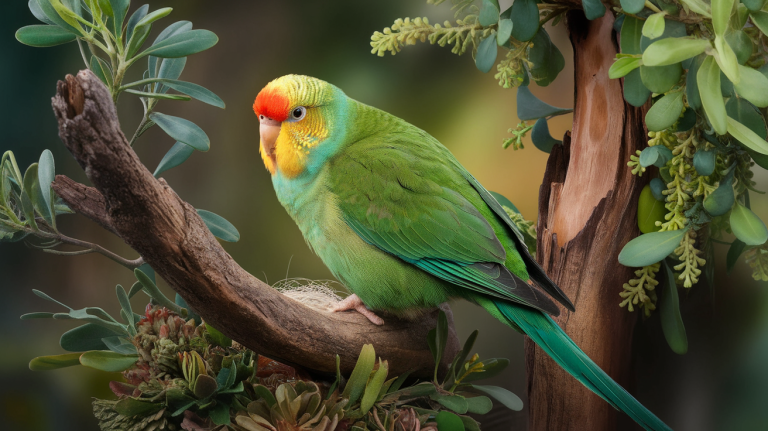
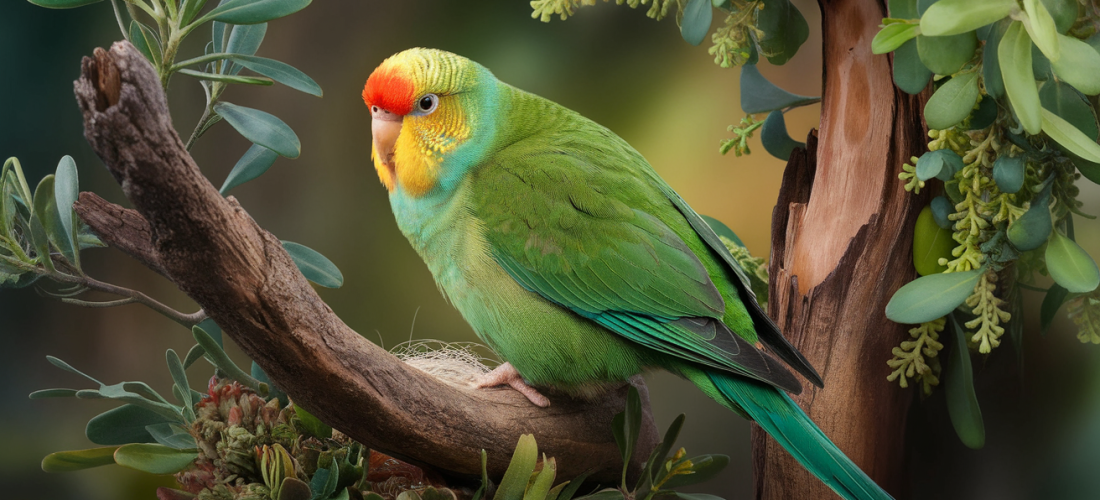
Kakarikis are gracefully colored birds, with bright green plumage and a red forehead in some variations. Their size ranges between 23 and 26 cm. They are not only pleasing to the eye, but their playful behavior and liveliness make them ideal companions. Gifted with a curious personality, they enjoy exploring their environment. A spacious and secure enclosure is essential to allow them to thrive.
Breeding Kakarikis: The Essentials
To successfully breed these charming parakeets, it is crucial to respect their specific needs. A mix of seeds, fresh fruits, and vegetables must compose their daily diet. Furthermore, exposure to natural light promotes their well-being. Let us not forget the importance of socialization, as these birds are very sociable and need interaction with their peers or even with their humans.
Ideal Conditions for Successful Breeding
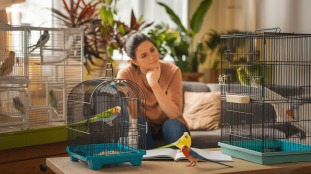
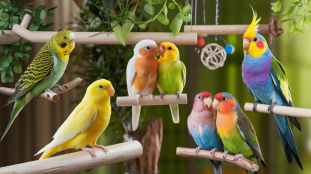
To ensure the health and good mood of the Kakarikis, it is advised to provide them with a suitable habitat. Install perches of different heights and toys to stimulate their natural curiosity. Regular cleaning of their space and controlling the ambient temperature are also important. Kakarikis appreciate a calm environment, without too much stress.
Breeding and Care of the Young
Kakariki breeding is fascinating. A female can lay between 4 and 9 eggs, incubating them for 19 to 21 days. It is mesmerizing to watch the young grow, but it is necessary to ensure they receive all the adapted new living conditions. For their care, particular attention must be paid to their health and socialization with other parakeets.
The Challenges of Breeding
Breeding Kakarikis is not without challenges. Aggressive behavior can occur if the space is too confined. The birds need varied stimuli to avoid boredom. For this, varying toys, activities, and interactions is essential. Taking these precautions helps build an environment conducive to their development.
Share Your Experiences!
In short, Kakarikis are vibrant and captivating companions to integrate into our lives. What anecdotes or advice would you like to share about breeding these joyful parakeets?