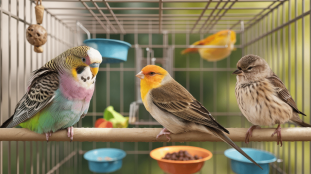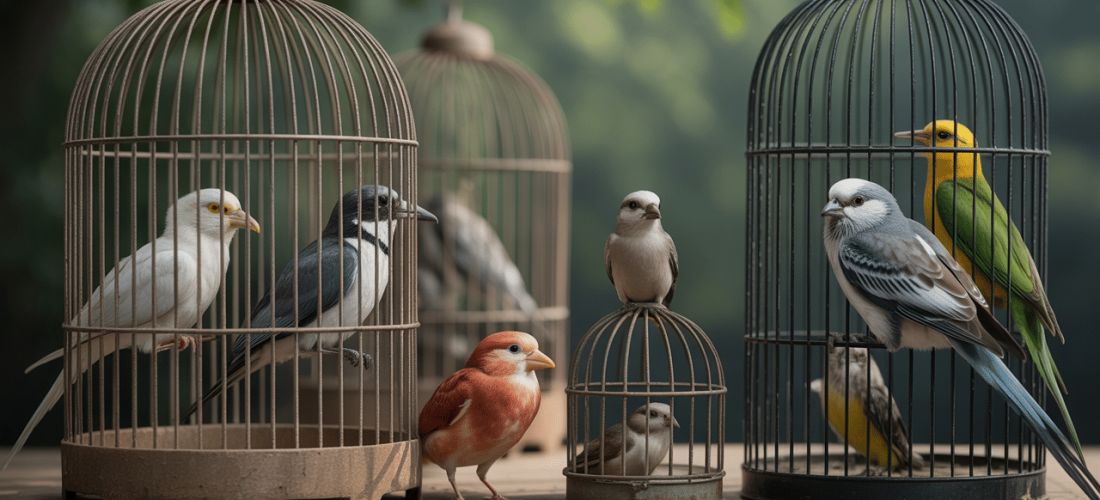
The emotions of caged birds are often complex. Although they are magnificent and sometimes sing the sweetest tunes, their life in captivity can lead to negative emotions. Isolation, lack of stimulation, and unmet natural needs can lead to a form of depression. It is therefore crucial to understand what they feel.
Table of Contents
ToggleThe feeling of isolation
A caged bird suffers from isolation. In the wild, these creatures live in colonies. They interact, communicate, and support each other. Locked up, birds are separated from this vital bond. The lack of social contact can cause a feeling of loneliness, which is often the cause of abnormal behaviors. Sometimes, they sing less or become aggressive.
Instincts and frustrations
The natural instincts of birds are strong. In captivity, their need to fly, scratch the ground, and play is not fulfilled. This can generate frustration. They may express their distress through incessant cries or repetitive movements. These behaviors are clear signs of distress. Expressing their nature then becomes difficult.
The importance of the environment
The living environment of a bird plays a fundamental role. A well-furnished cage with varied perches and hiding places helps to alleviate some of the stress. Providing toys can offer essential stimulation. These fun accessories give birds opportunities to interact and have fun. An enriching environment promotes their well-being, often neglected in daily life.
Physiology and mental health
Stress does not only manifest emotionally; it can also have consequences on physical health. A high level of stress compromises birds’ immune system. This increases the risk of diseases, harming their quality of life. Being attentive to signs of distress is therefore essential for the health of these delicate animals.
Singing in a cage
Singing is a precious means of expression for birds. In a favorable environment, they sing enthusiastically. Conversely, a depressed bird may sing sad melodies or not sing at all. Variation in singing then becomes a key indicator of their emotional state. Listening to their melodies can teach us a lot about how they feel.
Enthusiasts’ concerns
Bird lovers often care about their happiness. They want to offer a pleasant environment and stimulate their feathered companions. But do they really provide what is needed to avoid a dull life? The question of compromises between freedom and care remains an open debate. Can sincere love and efforts compensate for a life without freedom?
Depression: an observed phenomenon
It is surprising to realize that beyond humans, some animals such as birds can also experience depressive episodes. This is a reality that raises questions. Are the signs of depression in birds so different from those noted in other species? Observing their behavior then becomes a crucial act, but sometimes difficult to interpret.
Symptoms of depression
Several signs can indicate depression in birds. Their plumage may become ruffled, and they may show an alarming loss of appetite. Repetitive movements or self-mutilation behaviors may also appear. Recognizing these symptoms is essential to provide the necessary help.
What to do if your bird shows signs of distress?
When depression is suspected, several actions can be taken. First, reevaluating the environment is essential. A cage that is too small or noisy can increase stress. Then, it is crucial to introduce games to stimulate the bird. Finally, considering giving a companion can strengthen social bonds.
Feasible solutions
Facilitating the well-being of a suffering bird is often within reach. With patience and dedication, one can change their daily life. Finding the source of their instability requires observation and empathy. Can we really compare their happiness in captivity to that of animals living in total freedom?
What tips have you implemented to improve the life of your birds?