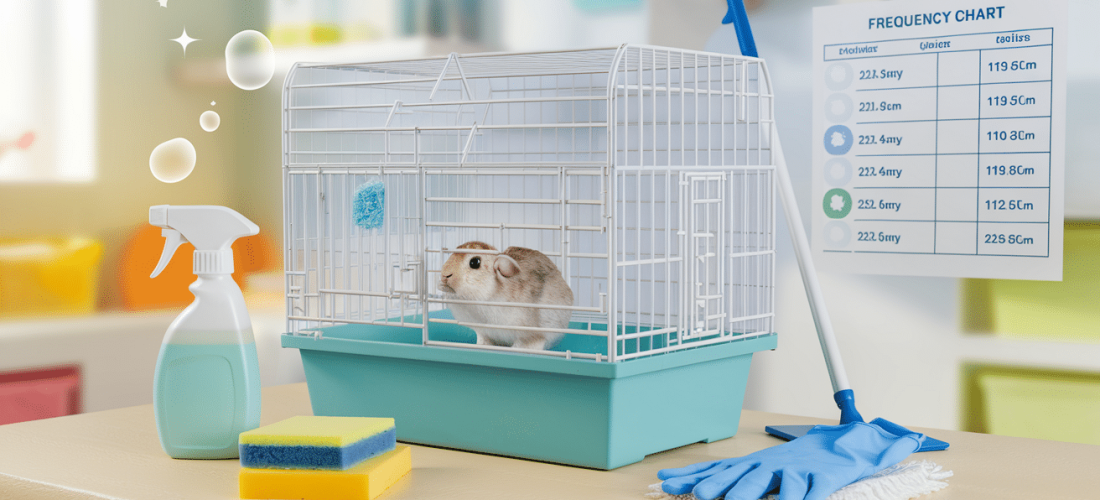
Maintaining a birdcage is essential to ensure their well-being and health. Regular cleaning helps eliminate bacteria and unpleasant odors, while providing a pleasant environment for your dear companions. Discover here the methods, suitable products, and optimal frequency for effective cleaning.
Table of Contents
ToggleCleaning methods
For effective cleaning, start by removing the birds from their cage. This ensures their safety during the process. It is advisable to remove all accessories and food. You can then proceed to wash the surfaces. The classic method consists of using warm water and mild soap, ideal for loosening dirt and grease. Then, rinse thoroughly with clear water.
For effective disinfection, several options are available to you. White vinegar is a natural and eco-friendly product that eliminates germs while being safe. Dilute it with water, scrub the surfaces, and let it sit a few minutes before rinsing. Lemon is also an excellent disinfectant, leaving a pleasant scent.
Products suitable for cleaning
The search for specific products can sometimes be confusing. In fact, simple and accessible solutions exist. Baking soda is often forgotten. Add it to your vinegar mixture for a deep clean. Avoid harsh chemical products that can harm your birds. Choosing a pet-safe disinfectant spray is a good alternative.
Optimal cleaning frequency
To maintain a clean cage, a weekly routine is required. This includes changing the bedding and cleaning the accessories. A deeper cleaning, including disinfection, is recommended every two weeks. This schedule ensures a healthy environment for your birds. Adapt to the specific needs of each species, some being more sensitive to moisture.
Elements not to overlook
In addition to cleaning, remember to monitor the overall condition of the cage. The bars must also be maintained to prevent the build-up of dirt. Don’t forget to check the bedding regularly. If odors persist, it may be relevant to reassess the method or products used.
Are you ready to share your own cleaning tips for your feathered friends?