Table of Contents
ToggleChoosing the Right Material for Your Bird’s Cage
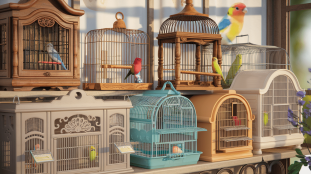
Determining the appropriate material for your bird’s cage is crucial. This decision directly affects your feathered companion’s well-being, health, and satisfaction. Cages are available in a variety of materials, each with its advantages and disadvantages. Let’s explore the most common options and what makes them ideal.
Metal Cages
Metal cages often stand out for their durability. Sometimes made of stainless steel or wrought iron, they offer resistance to corrosion. Their ease of cleaning is also a major asset. Less likely to be chewed on, they provide a safe environment for your bird. However, pay attention to the quality of the coating, as some paints can be toxic.
Wooden Cages
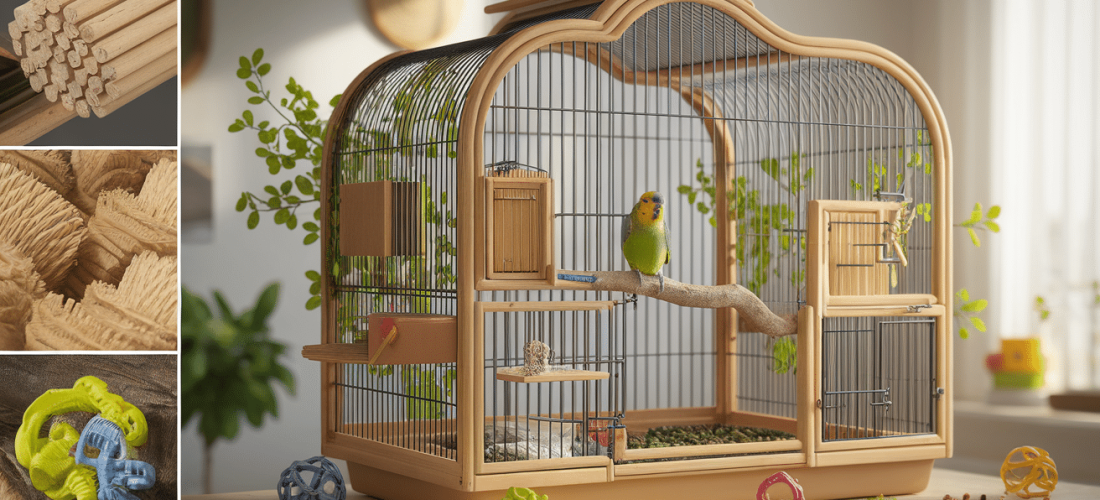
Wooden cages offer a warm and natural aesthetic. However, they can be difficult to disinfect and are often less durable than metal cages. Birds, especially those prone to chewing, can cause damage. So consider choosing high-quality wood models treated securely to ensure your bird’s health.
Plastic Cages
Plastic cages are often lightweight and easy to transport. They may be suitable, especially for small birds. However, their solidity can sometimes be an issue against the strongest beaks. Additionally, maintenance and lifespan are aspects to consider, as plastic can scratch easily and become less appealing. The choice of plastic must be thoughtful.
Criteria to Consider
When selecting the cage material, first think about your bird’s specific needs. The bird’s size and strength play a crucial role in choosing the material. Budgerigars or lovebirds will require a sturdy cage, while smaller species might be comfortable in plastic cages. Also consider the cage’s placement in your home, as some materials may integrate more harmoniously into your décor.
The Impact on Your Home
The choice of material affects not only your bird but also the interior aesthetics of your home. A beautiful metal cage can become a true decorative element in your living room. Conversely, an unattractive cage can disrupt the harmony of your living space. Taking the time to select a material that satisfies you visually and meets your companion’s needs can greatly enrich your daily life.
Safety First
Whatever material you choose, safety must come first. Regularly inspect the cage for any wear or failure. Make sure the bars are not too widely spaced to prevent escapes. A secure habitat is vital to preserve your bird’s health and happiness.
Ultimately, choosing the right material for your bird’s cage requires thought. Which criteria matter most to you? Have you ever had experience with a cage, and which material worked best for you and your winged companion?