Young birds, delicate creatures, require special attention from birth to weaning. From hatching, these young beings are vulnerable. They must be fed properly and their vital needs must be monitored. With adequate care, their growth will be ensured, making their transition to independence smoother.
Table of Contents
ToggleThe first hours of life
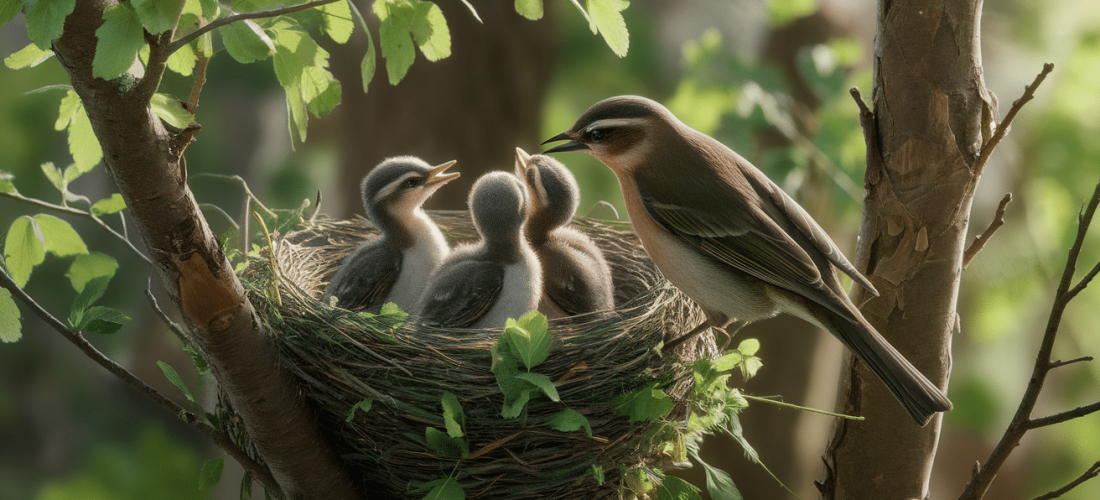
At birth, the chick is very fragile. It is often blind, naked, and unable to maintain its body temperature. It is essential to keep an appropriate environment to avoid any drop in temperature. This period is critical. Feeding must start quickly and be done by hand if necessary. The quality of the diet is paramount to promote healthy growth.
Weight monitoring
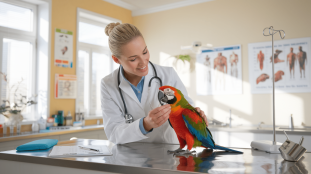
Over the days, each chick must gain weight daily. If its weight drops, it is a situation to take seriously. It is important to consult a veterinarian as soon as signs of illness appear. Regular examination at each meal allows tracking the bird’s health progress and detecting possible problems quickly.
The weaning process
Weaning generally begins around six to eight weeks, but it depends on the species. During this time, it is possible to gradually introduce seeds. This way, the chick can learn to feed and drink independently. It is a moment of discovery and transition. Care must be taken not to rush this process.
Diet assessment
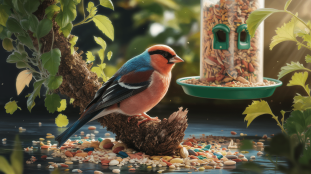
For young chicks, a special diet is often necessary. Seeds must be of good quality and suited to their species. Food mixes should vary and include essential nutrients. During this period, it is crucial to maintain a balanced diet to ensure healthy growth and avoid vitamin deficiencies.
Importance of the environment
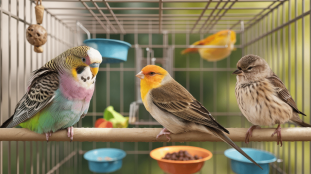
A well-designed habitat will promote their development. Accessories like perches, feeders, and suitable drinkers are indispensable. Choosing the right perch for each species also contributes to their comfort. Thus, a good environment will prevent stress and contribute to their well-being.
Preparing the health of young birds
It is essential to care for the health of chicks. Regular baths and contact with natural light promote their well-being. They also need protection from drafts and extreme temperatures. For successful breeding, it is advisable to consult experts in captive breeding to avoid common mistakes encountered.
The importance of socialization
Interaction is key for harmonious development. Young birds should be accustomed to human contact for their future rehabilitation. It is a step not to be overlooked to ensure they become affectionate companions. Good socialization plays a crucial role in their future behavior.
Your experience with chicks
What are your best tips for taking care of chicks? Have you ever encountered particular challenges during their breeding? Share your experiences and advice to enrich this wonderful adventure that is bird care!