Raising Chinese quails is a rewarding experience. These small birds are full of life and offer faithful companionship. Thanks to adapted techniques, it is possible to ensure their well-being and productivity. Let’s discover together the steps for successful breeding.
Table of Contents
ToggleHousing choice
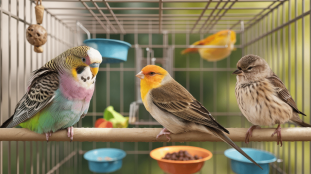
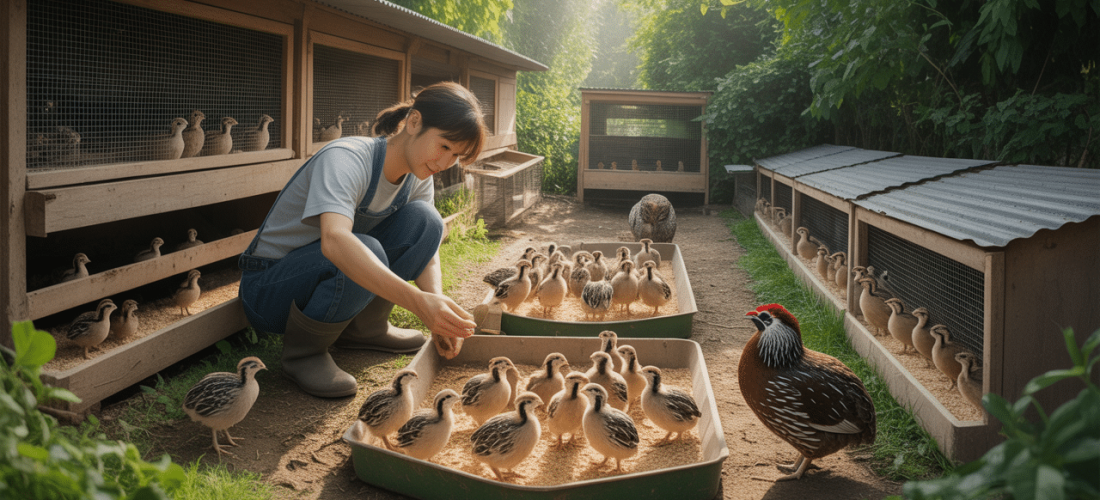
The choice of habitat is fundamental. Chinese quails need a safe and calm space. It is advisable to invest in a spacious aviary, whether indoors or outdoors. In this aviary, different levels should be planned so that the quails can move easily. Shelters and resting areas should also be installed.
Balanced diet
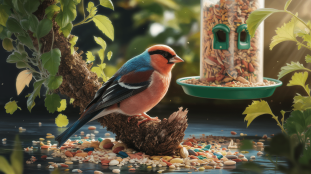
Nutrition plays a key role in the health of quails. They mainly consume a mix of seeds for exotic birds. A continuous supply of wild greens such as dandelion is essential. Supplements, such as mealworms, provide indispensable proteins but in moderation. Always keep fresh water available to them.
Cohabitation with other birds
Chinese quails can coexist with other bird species. However, caution is necessary. Some parakeets can be aggressive towards quails. Ensure that the space is sufficient to avoid competition. Good cohabitation promotes a serene and harmonious atmosphere in your aviary.
Natural reproduction
The reproduction of quails is fascinating. In spring, females look for quiet places to lay eggs. It is recommended to provide shelters so they feel safe. Generally, the female builds a small nest. Eggs hatch after about two weeks.
Care and health
Regular maintenance is crucial to prevent diseases. Good hygiene in the quails’ living space limits risks of infection. Frequently inspect the habitat to detect signs of parasites or accidents. In case of health problems, do not hesitate to consult an avian veterinarian.
Sociable behavior
Quails are curious and sociable animals. They enjoy running and scratching the ground. This behavior should be encouraged. Offer them distractions and objects to explore to stimulate their liveliness. Your commitment to their well-being will result in a joyful atmosphere in the aviary.
Mutations of Chinese quails
Over time, several mutations have been observed in Chinese quails. Whether it is color variations, like the white or silver mutation, these traits can attract breeders’ interest. By learning about these particularities, one can enrich their collection with unique specimens.
Final reflections
Does raising Chinese quails represent a simple passion or a long-term commitment? What challenges have you encountered in your own breeding experience?