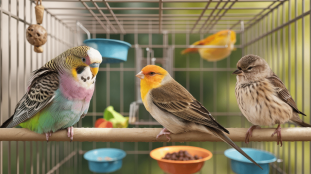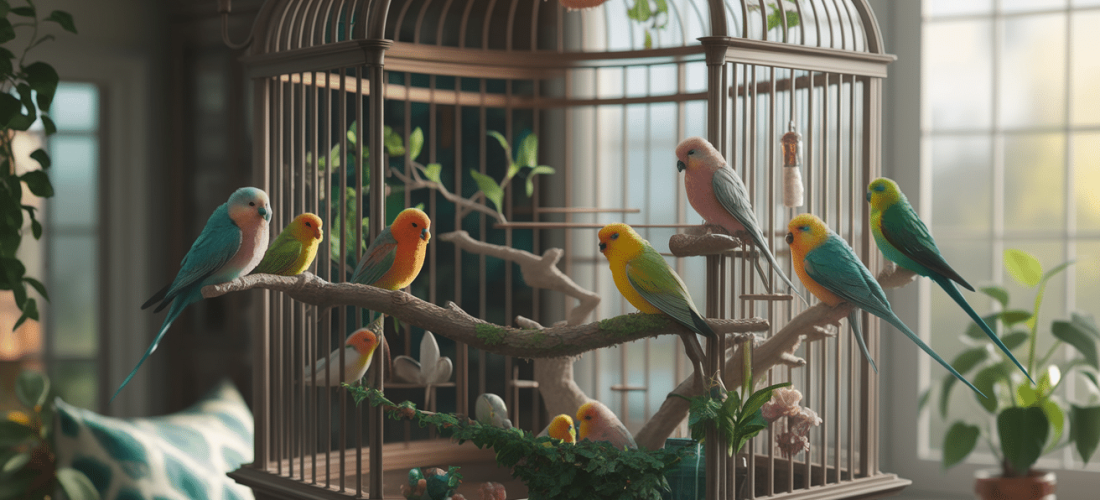
Birds are majestic creatures, endowed with grace and unparalleled beauty. However, their happiness is often questioned when they live in captivity. One wonders if caged birds are truly unhappy, if the limited space in which they evolve affects their mental and physical health, and how owners can ease their distress. Let us explore this complex issue together.
Table of Contents
ToggleThe nature of birds in captivity
Birds are naturally social animals that live in communities. When they are locked in a cage, they can feel a deep sense of loneliness. This feeling may lead them to develop problematic behaviors, such as self-mutilation or incessant crying. It is therefore crucial to ask: is their well-being really guaranteed in these small enclosures?
The happiness of a caged bird
Some birds may seem happy in captivity, but their happiness is often conditional. It depends on the quality of the environment in which they are placed. A spacious cage, equipped with accessories and time spent outside it, can make cage life much more enjoyable. However, how many birds truly benefit from such treatment?
Signs of distress in birds
It is essential to recognize signs of distress. A bird that shows aggression or engages in destructive behaviors, such as plucking its feathers, sends an alert signal. These manifestations should not be taken lightly. Indeed, avian depression is a worrying subject, and many owners do not realize it until it is too late.
The ideal of freedom for our winged friends
Imagine a world where birds fly freely, interacting with their peers, exploring the skies. This is the ideal that many of us wish for them. Yet, in the reality of ownership, freedom is often hindered. So, is it right to keep these magnificent creatures caged, even while offering them sufficient attention and food?
Creating a stimulating environment
To address distress, it is crucial to provide a stimulating environment. Interactive toys, diverse perches, and a limited but well-ventilated space can make all the difference. Even better, encouraging regular human interaction can enhance their happiness. But how many hours per day are we willing to dedicate to our feathered friends?
The ethical challenge of bird ownership
This topic raises a delicate ethical question. Many opinions differ on the issue of keeping birds in cages. Some argue that it is not ethical to deprive these animals of their natural freedom. Others maintain that if well cared for, caged birds can lead a fulfilling life. Who is right, and on what are our personal opinions based?
So, by observing your bird, what truths are you ready to discover? And if this situation does not suit you, would you be willing to reconsider your relationship with these beings of the air?