Nocturnal birds are fascinating creatures that require a special arrangement of their cage. Unlike their diurnal counterparts, they need a habitat that supports their unique lifestyle. Their well-being depends on many factors, ranging from lighting to the size of the cage. How can these spaces be adapted to make them optimal for these feathered companions? Let’s explore this captivating topic together.
Table of Contents
ToggleChoosing the location of the cage
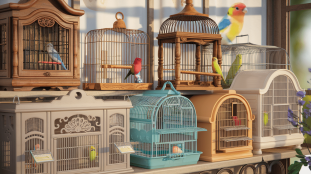
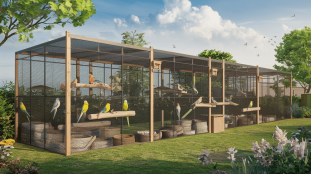
For nocturnal birds, the place where the cage is installed is crucial. Light fluctuations can disrupt their biological rhythm. It is preferable to place the cage in a quiet area, away from direct light sources. This also preserves their serenity. A soothing atmosphere contributes to their comfort, allowing them to rest fully during the day.
Proper lighting
Lighting is a fundamental aspect that must be seriously considered. Nocturnal birds need prolonged periods of darkness to sleep peacefully. Dim lighting, such as a low-intensity lamp, can be an excellent option. It allows them to get used to the environment without being disturbed. Furthermore, it is crucial to turn off all lights at night to simulate their natural habitat.
Suitable perches
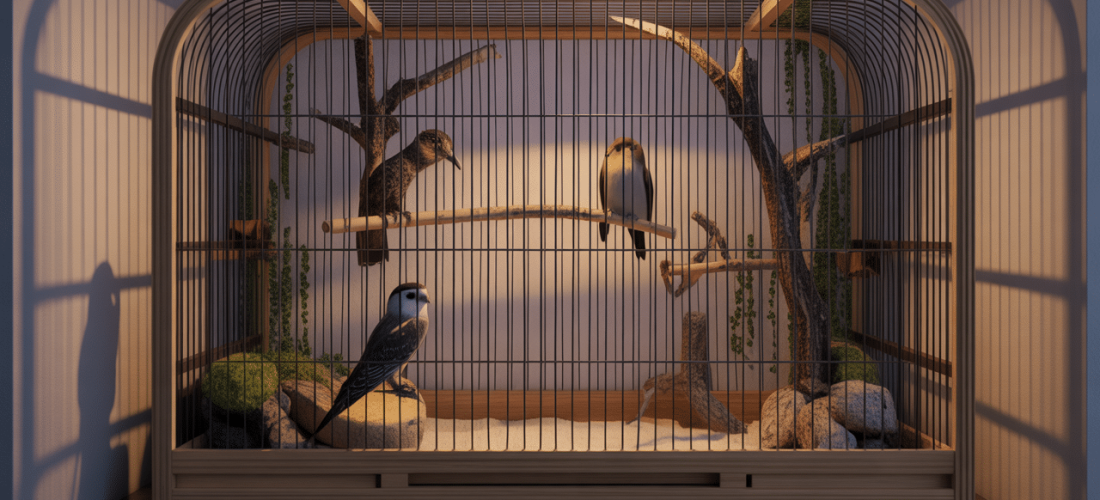
Perches play an essential role in arranging the cage. For nocturnal birds, varied perches of different sizes and textures are recommended. These elements provide a space to rest while encouraging their daily activity. Positioning these perches at different heights encourages exploration of the environment, making their cage even more stimulating.
Safety and comfort elements
The safety of your feathered companions must never be neglected. The cage should have bars spaced sufficiently to prevent any accidents. A non-toxic construction material is essential to ensure a peaceful life. Also consider adding soft accessories, such as cushions or hiding spots, to offer them places where they feel protected and comfortable.
Strict hygiene materials
A healthy habitat is a necessity. The materials used for the bottom of the cage should be easy to clean. Wood shavings or recycled paper are excellent options. These solutions minimize odors while providing optimal comfort. Think of regular maintenance to ensure a healthy environment adapted to the needs of your nocturnal birds.
Stimulating toys and accessories
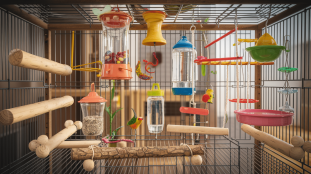
Let’s not forget, boredom is the enemy of nocturnal birds. Various toys, such as swings or items to peck at, are essential. They must be adapted to their natural needs and offer stimulating challenges. Alternating these games is a simple method to keep their curiosity intact.
Interaction and socialization
A strong bond between the bird and its owner is fundamental. Spending time interacting with your feathered partner strengthens your relationship. Talking, playing, or simply being present is of great importance to their psychological well-being. This attention helps create a soothing atmosphere that promotes their development.
The specifics of nocturnal feeding
Finally, the feeding habits of nocturnal birds deserve special attention. Providing nutrient-rich food at the right time helps meet their specific needs. Food dispensers must be easily accessible so as not to disrupt their lifestyle.
In this context of specific adaptations, what do you adapt in the habitat of your nocturnal bird to make it feel at home?