Caged birds have unique sleep habits that deserve to be explored. Their way of resting is directly linked to their natural behavior and environment. Indeed, birds are fascinating creatures that adapt to sleep safely, even in confined spaces. Whether by their position or by their choice of location, let’s discover together how these winged jewels rest.
Table of Contents
ToggleThe importance of the environment
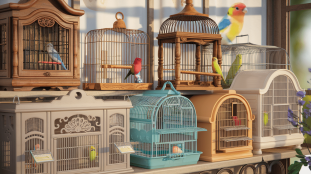
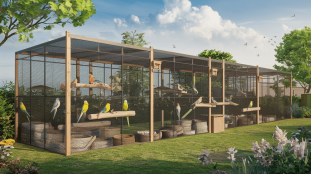
When it comes to sleeping, the choice of location is essential for birds. In the wild, they seek warm, high, and secure places. In a cage, although they have fewer options, they modify their behavior. They prefer to perch on a horizontal bar or a perch, often installed at the top of their habitat. This allows them to feel safe, away from predators, even while in captivity.
Sleep techniques
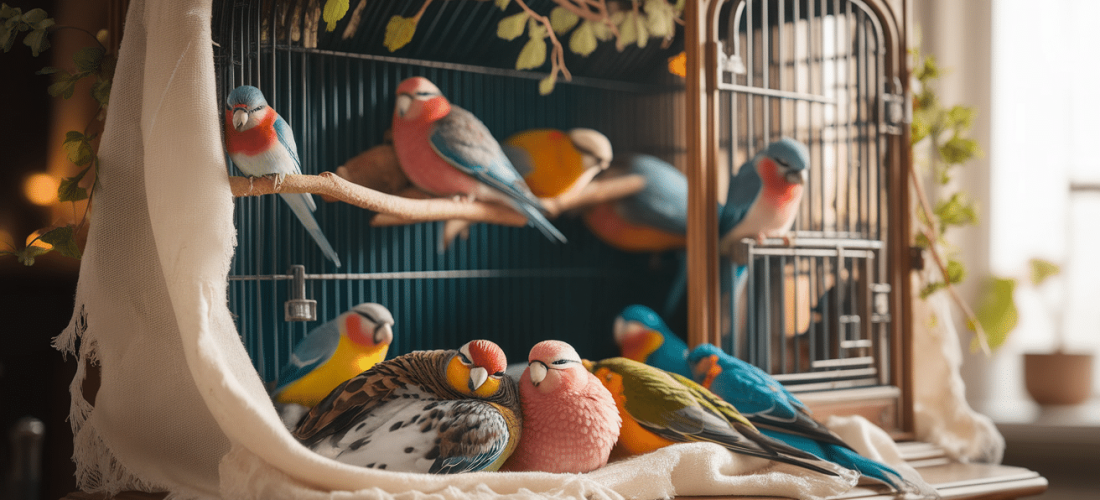
Birds have unique adaptations that allow them to fall asleep without risking falling. In their natural posture, their body is slightly bent. They use a tendon that helps close their claws when perching. Thus, they remain firmly hooked during sleep. This ability, although surprising, ensures them peaceful rest, even in a cage.
Nocturnal preferences
Most birds are naturally diurnal, which means they sleep at night and are active during the day. In their living space, they choose to spend the night in positions that guarantee them safety and comfort. Some may choose to roost in a corner or out of sight, ready to wake at dawn. Owners must be attentive to these behaviors to provide them with an adequate sleeping environment.
Accessories for optimal sleep
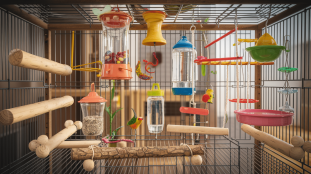
Playful accessories in cages can also influence the sleep of our feathered friends. Toys and cozy perches create a soothing environment. Birds need stimulation to avoid boredom. If a relief from boredom is provided, they will feel more serene to fall asleep. With bars and good arrangement, it is possible to offer them the best to recover.
It is exciting to explore the ways in which birds adapt to their environment. Even in a cage, they continue to express their natural needs, but are they really happy? How do birds adjust to sleep in a confined space, and how does this affect their overall well-being?