Welcoming lovebirds at home can be a rewarding adventure. These little parrots bring a touch of color and joy to your daily life. They are not just pets, but affectionate companions who deserve special attention. In this guide, we will share practical tips to help you create an ideal environment for your new feathered friends.
Table of Contents
ToggleChoosing the right pair of lovebirds
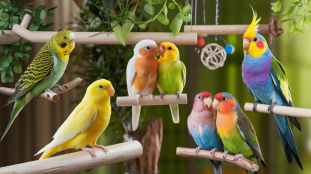
Before welcoming lovebirds, it is crucial to choose the right pair. These birds are very social and thrive in the presence of their partner. It is recommended to take two birds of the same species and the same age. This will help them feel safer and create a strong bond between them. Remember that these parrots display playful and affectionate behaviors towards their partner, which makes them all the more endearing.
Preparing their habitat
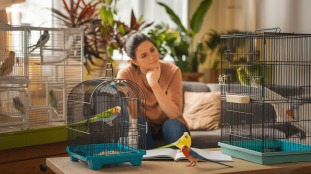
Creating a comfortable environment is essential for the well-being of your lovebirds. Opt for a spacious aviary that allows them to fly freely and perch. Make sure to include interactive toys to stimulate their curiosity. These games not only prevent boredom but also strengthen the bonds with you. Use appropriate materials, such as wooden perches, so your birds feel at home.
The diet of lovebirds
Good nutrition is key to ensuring the health of your lovebirds. Their diet should be varied and balanced. Offer them quality seeds, fresh fruits, and vegetables. Don’t forget to give them clean, fresh water every day. To monitor their diet, consult specific resources that will guide you on their nutritional needs.
Caring well for your lovebirds
To establish a bond of trust with your lovebirds, it is important to spend time with them. Speak to them gently, encourage them to come out of their aviary, and reward their bravery. This will strengthen their sense of security and make taming easier. Remember that each bird is unique and may require different approaches.
When to consult an avian veterinarian
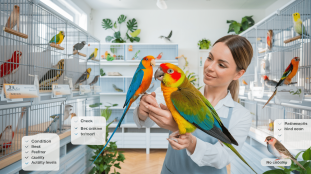
Maintaining your lovebird’s health means being vigilant about its well-being. It is advised to regularly consult an avian veterinarian for health check-ups. Preventive care can help identify potential problems before they become serious. Take care of your bird; it is an investment for many years of joy.
A happy feathered companion
Since lovebirds are very social birds, it is crucial to offer them a setting where they feel loved and supported. Don’t hesitate to let them interact with other compatible birds in a community aviary. Interaction with other birds can contribute to their happiness and well-being.
When your love for lovebirds is intertwined with your daily life, what could be more rewarding? What is your favorite moment spent with your birds?