The way we manage breeding pairs of birds has a major impact on their well-being and their ability to reproduce successfully. The choices we make regarding their environment, diet, and social interactions influence their health and happiness. Let’s discover together the key elements to consider to optimize the reproduction of these admirable creatures.
Table of Contents
ToggleEnvironment and living space
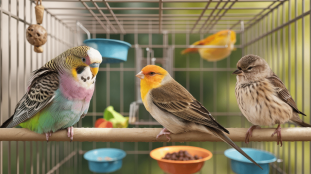
To ensure the success of breeding pairs, the environment plays a fundamental role. Sufficient space allows birds to move freely and interact with their partner. A spacious aviary provides a vital balance between rest and activities. Such a space facilitates exploration and strengthens emotional bonds.
It is also important to ensure adequate lighting. Natural light or a simulation of daylight promotes hormonal balance in these birds. Likewise, a stable temperature contributes to an atmosphere conducive to reproduction. Sudden fluctuations can cause stress and disrupt mating behaviors.
Targeted feeding
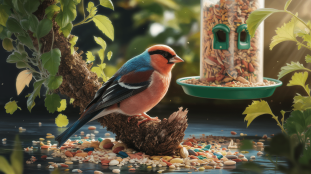
Bird nutrition directly influences their reproductive behavior. A balanced diet, rich in a variety of seeds, fruits, and vegetables, supports their health. Adding specific supplements, such as vitamin E, helps optimize the fertility of breeding pairs. Rich and well-adapted food prepares the parents to nurture their future chicks.
Observation of interactions
To maintain a positive dynamic between partners, it is essential to observe their interactions. Social behaviors, such as singing, playing, or courtship displays, are encouraging signs. They indicate harmony between the birds, a key element to strengthen their bond.
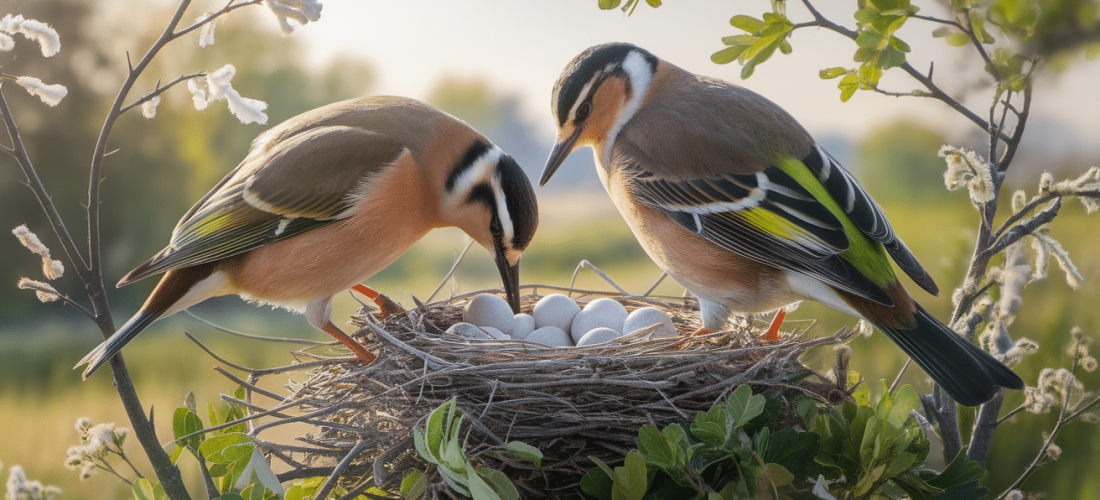
Moments of exchange, like offering food, reinforce this connection. These gestures are not trivial. They carry deep meaning and illustrate the desire to create a shared nest. Happy partners are often more inclined to mate, which increases the chances of a successful brood.
Partner selection
Choosing the right individuals for reproduction is of utmost importance. It is advised to wait until the females have reached at least twelve months of age. Males can be ready from six months old, but a delay until ten months is strongly recommended. This strategy helps ensure healthier and more reciprocal interactions.
Well-matched couples often show signs of mutual affection. The evaluation of mating behaviors serves as a proven indicator of compatibility between partners. Thus, paying special attention to these details greatly improves the chances of success during reproduction.
Management of eggs and chicks
Once the egg laying is done, management is crucial. The female must incubate her eggs undisturbed. A calm environment helps preserve the necessary tranquility. Minimizing handling around the nest is essential during this phase.
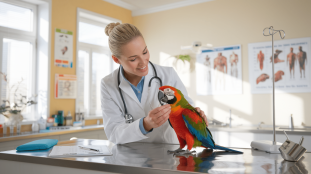
After hatching, it is essential to ensure that the chicks receive a rich and balanced diet. The parents must be well fed to ensure their development. Careful observation of the young chicks allows for the quick identification of any health problems, thus ensuring their well-being.
Conclusion or invitation to share
It is fascinating to observe the complex world of breeding pairs in birds. Every detail counts for their success and fulfillment. What challenges have you encountered in managing your breeding birds?