The crimson rosella is a bird with vibrant colors, ideal for those looking for a joyful and friendly feathered companion. Native to Australia, this bird belongs to the Psittacidae family. It is not only strikingly beautiful but also endowed with an engaging personality, making it an excellent choice for any bird enthusiast. In this guide, let’s explore together the various facets of this fascinating species.
Table of Contents
ToggleOrigins and Habitat
The crimson rosella (Platycercus eximius) mainly thrives in the wooded regions and savannas of southeastern Australia. It is also present in New Zealand and Tasmania. These birds often approach human dwellings, benefiting from the proximity of fields and waterways. To protect themselves from extreme heat, crimson rosellas take refuge in eucalyptus trees.
Physical Characteristics
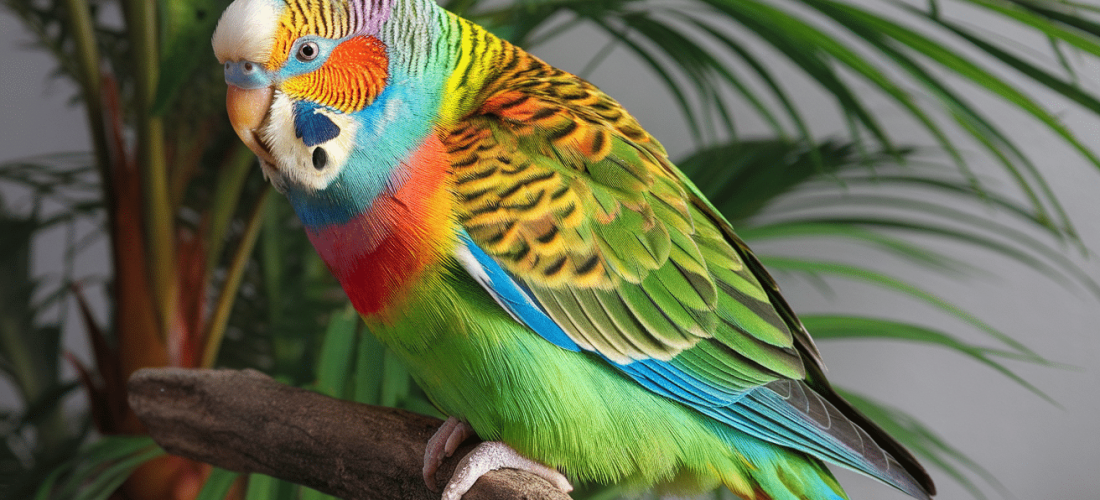
Their plumage is truly a festival of colors. The back is black edged with yellow, while the belly is a bright yellow. The head and upper chest display a captivating bright red. The youngsters are somewhat less colorful, resembling the adult female. It is fascinating to observe how each bird reveals its shades as it grows and flourishes.
Behavior and Sociability
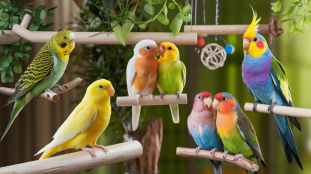
The crimson rosella is a sociable bird, but it can be selective in its interactions. Solitary in the wild, they are very closely bonded to their partner. Once a pair is formed, they remain together for life. These birds enjoy playing and singing, bringing a joyful melody into your home. Their calls, though sometimes discordant, give way to soft songs when they feel at ease.
Captive Breeding
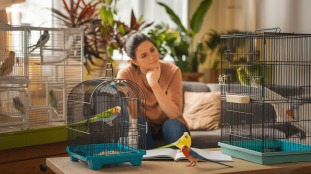
Raising crimson rosellas can prove rewarding. They adapt well to life in an aviary, with the ideal size being 2 meters long, offering enough space to fly freely. For setup advice, discover the following link: Aviary Setup.
Feeding and Nutrition
The nutrition of crimson rosellas is essential. They mainly feed on seeds, fruits, and even insects in the wild. In captivity, a mix of large parrot seeds and millet sprigs is recommended. During breeding periods, it is important to always have soft food available. For more details about their diet, consult this link: Comprehensive Guide to Parrot Breeding.
Reproduction and Raising the Young
The breeding season generally begins in spring. The female lays between 4 and 6 eggs, which she incubates diligently. The male’s role is to feed her during this period. It is incredible to witness the birth of the young, which leave the nest after four weeks, always under the watchful eye of the parents. Notice these precious moments of the crimson rosellas’ family life.
Conclusion on the Crimson Rosella
The crimson rosella is undoubtedly a colorful and endearing companion. Raising these birds can be a journey full of joy and discoveries. But what about you? Have you ever considered sharing your daily life with these magnificent creatures?