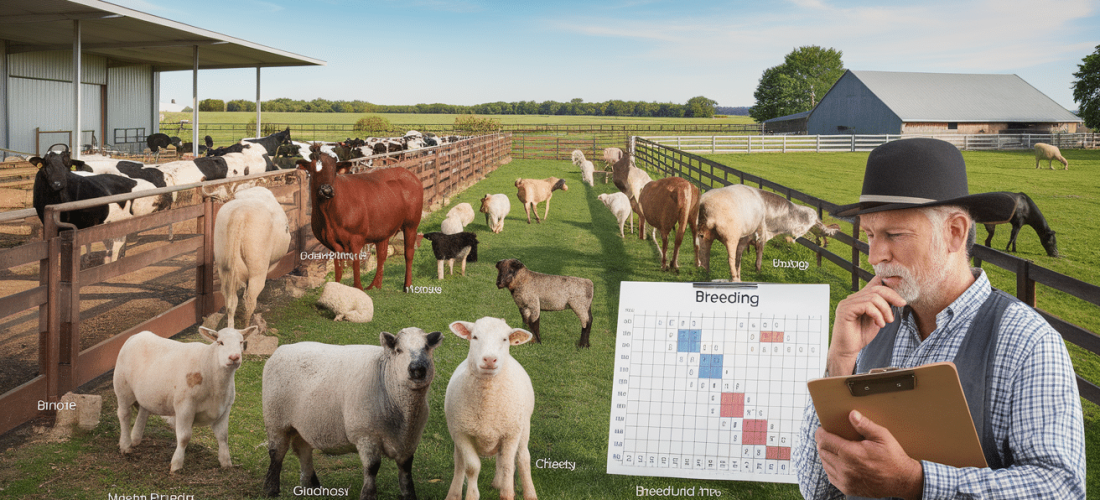
The control of inbreeding is a decisive step in breeding programs. Indeed, it helps ensure the health and vitality of the bred species. Rigorous genetic management contributes to preventing reproduction-related problems, thereby enhancing the quality of the livestock.
Table of Contents
ToggleImportance of genetic diversity
Genetic diversity plays a crucial role in maintaining the desired characteristics of bred populations. By avoiding inbreeding, the risk of transmitting genetic diseases is reduced. It also promotes better adaptation to environmental changes.
Monitoring and analysis tools
Breeders can rely on different tools to track inbreeding. Specialized software allows analyzing pedigrees and identifying at-risk animals. Thanks to these resources, it becomes easier to make informed decisions regarding matings.
Adapted reproduction methods
A proactive approach is necessary in reproduction methods. Breeders should favor matings between individuals from different lineages. This allows obtaining robust offspring, better able to live and reproduce in a given environment.
Practical applications and example
Within breeding programs such as those for parrots, the concern to preserve genetic diversity is equally relevant. By applying specific techniques, a breeder can guarantee healthy animals that conform to beauty standards. To learn more about parrot breeding, consult this link: Breeding program for parrots.
A challenge to meet
Control of inbreeding requires the commitment of all actors involved in breeding. Every decision has long-term repercussions. Breeders must therefore remain vigilant and informed to guarantee a sustainable future for their animals.
How do you integrate inbreeding management into your breeding practices?