Management of common diseases in poultry farming is essential to ensure the health of the birds and the profitability of the operations. This complex topic requires a methodical and rigorous approach to prevent, identify, and effectively treat diseases. Poultry farming, while being a source of nutritious products, can be affected by several pathologies. It is therefore crucial to know how to protect against them.
Table of Contents
ToggleIdentification of poultry diseases
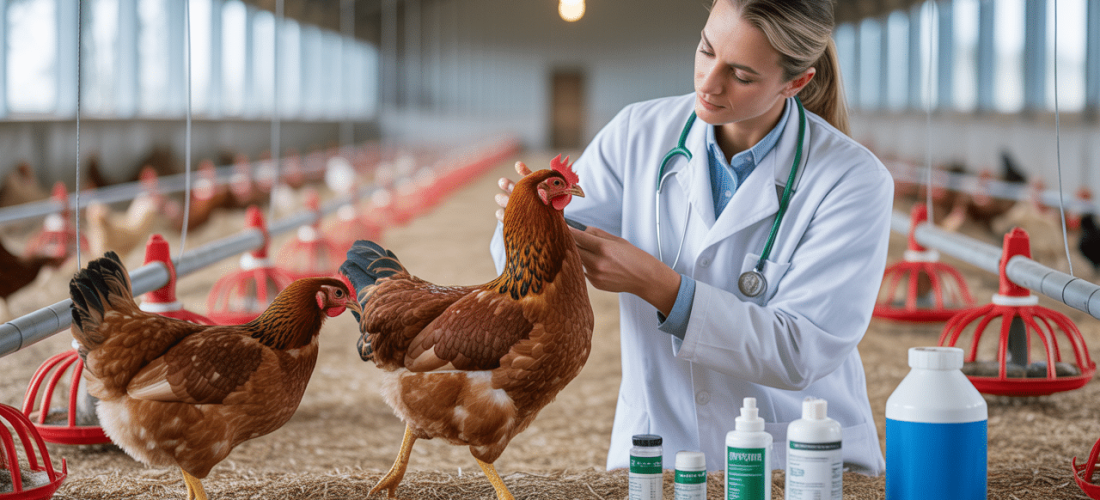
Poultry diseases can be bacterial, viral, or parasitic. Farmers must be attentive to clinical signs such as loss of appetite, diarrhea, or respiratory symptoms. Regular and systematic monitoring of the animals allows for early detection of these conditions. In case of doubt, consulting a specialized veterinarian can be essential to make an accurate diagnosis.
Biosecurity in poultry farming
Biosecurity is one of the fundamental pillars in the fight against poultry diseases. This includes measures such as isolating new birds, maintaining strict hygiene of the facilities, and controlling access strictly. Investing in preventive practices can significantly reduce the risk of disease spread. The farmer must be vigilant and adopt a proactive approach.
Vaccination and treatment
Vaccination represents an effective way to prevent certain diseases. Vaccination protocols adapted to the needs of the farm must be implemented. In parallel, it is necessary to monitor the general health of the bird group. If a disease develops, rapid treatment can save lives and limit economic losses. Each intercrop can benefit from internal solutions based on rigorous analyses.
Training and awareness
It is crucial that farmers and employees are trained in good sanitary practices. Training sessions should be organized regularly to raise awareness among all stakeholders about the importance of prevention measures. By sharing knowledge on the identification and management of diseases, farmers can strengthen cooperation and ensure better poultry health within their farms.
Monitoring and continuous improvement
Regular monitoring of health performance allows adjusting farming practices. Health indicators must be established to evaluate the effectiveness of the measures adopted. This continuous improvement process is part of an approach aimed at guaranteeing poultry welfare and product quality. The results can also be used to inform and adapt health strategies in the future.
A permanent challenge
Poultry farming, even though it offers numerous economic opportunities, faces daily challenges related to bird health. Disease management is not just a matter of procedures but a true commitment. Every farmer must keep in mind the stakes of their activity. What experience have you had facing diseases in poultry farming?