Table of Contents
ToggleAra ararauna: Guide to Raising This Blue Giant of the Parrot World
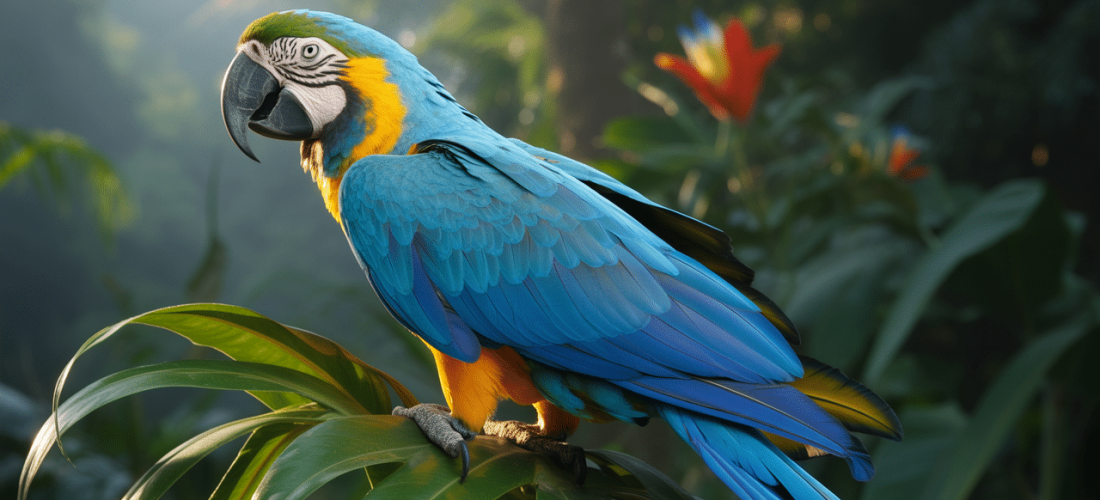
The ara ararauna, often called the blue and yellow macaw, is a bird that inspires wonder. With its imposing size and social personality, this bird is both a companion and a challenge for enthusiasts. Understanding its needs, behavior, and the care required for its well-being is essential for anyone wishing to welcome this magnificent parrot into their life.
Understanding the Social Behavior of the ara ararauna
Blue macaws are not just solitary birds. They are extremely social and gregarious. In the wild, they often live in pairs or groups, thereby strengthening strong bonds of affection. Pairs show remarkable faithfulness throughout their lives. This behavior should be considered if you plan to adopt an ara ararauna. Isolated in a cage that is too small, this bird could develop behavioral problems.
Space and Habitat Requirements
The imposing size of the ara ararauna demands adequate living space. A large cage is essential to allow it to fly and move freely. In addition, a stimulating environment with varied perches and toys will enrich its daily life. When outside its cage, ensure it has secure access to an area where it can explore, both for its curiosity and its mental health.
Nutrition and Feeding
To keep this blue giant in good health, a balanced diet is crucial. Macaws mainly feed on fruits, nuts, and seeds. Offering a variety of foods helps prevent nutritional deficiencies. Taking the time to prepare healthy meals can strengthen your bond with your ara ararauna while ensuring its overall well-being.
Interaction and Stimulation
Macaws are intelligent birds that require daily interaction. They love to talk and whistle, using their incredible ability to mimic sounds. Spending time with them, whether through play, training, or even just conversation, is essential. This contributes not only to their happiness but also to their emotional development.
Health Care and Prevention
Your ara ararauna’s health must be closely monitored. Regular visits to a veterinarian specialized in birds are recommended. These check-ups help detect potential health problems before they worsen. By staying informed about symptoms and signs of illness, you can act quickly to protect your companion.
Longevity and Well-being
The ara ararauna can live up to 80 years in good conditions. This means that caring for this bird is a long-term commitment. Loneliness can be harmful to these birds, as they do not easily tolerate being alone for too long. Integrating them into family dynamics and providing the companionship they need is essential.
Would you like to discover more tips to improve your ara ararauna’s life and share your experience with other bird lovers?