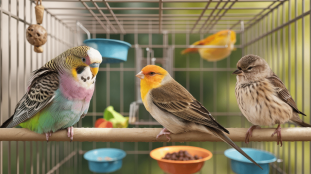
Caring for a pet bird requires special attention. These sensitive little companions can get injured or fall ill, requiring appropriate care. With simple and effective actions, you can help your feathered friend regain its vitality and happiness. Let’s see together how you can provide the right care for your bird.
Table of Contents
ToggleAssessing the Bird’s Health
Before taking action, it is important to assess the health of your bird. Observe its behavior. A bird that remains still, breathes rapidly, or has ruffled feathers may be in distress. Other signs such as dull eyes or changes in appetite should also catch your attention. If something seems abnormal to you, do not hesitate to consult a specialized veterinarian.
First Aid for an Injured Bird
For an injured bird, it is crucial to adopt the right actions. Start by calming your bird. This can be done by gently wrapping it in an appropriate towel to reassure it. Avoid additional stress by avoiding sudden movements. Then, carefully examine your feathered companion. Look for any visible wounds, such as a broken wing or cuts, and then proceed with cleaning.
To clean a wound, use a mild disinfectant solution, such as Chlorhexidine. Avoid using ointments or specific creams, as many products are not suitable for birds. If the wound is deep or the bird seems very weak, contact a veterinarian immediately.
Nutrition and Daily Care
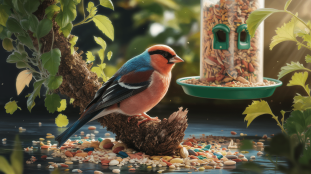
Good nutrition is essential to keep a bird healthy. Provide a varied diet, rich in quality seeds, fresh fruits, and vegetables. These essential nutrients will strengthen its immune system and promote its health. Don’t forget to change the water regularly and avoid any toxic food.
Disease Prevention
It is well known that prevention is better than cure. Make sure your bird lives in a clean and well-ventilated space. Damp soil or food residues can lead to diseases. A healthy environment plays a crucial role in the longevity of your feathered friend. Also, consider getting regular check-ups at the vet to prevent health issues.
Social Interactions and Stimulation
Birds are social beings and need interactions with their environment. Play with them and offer suitable toys to ensure their emotional well-being. Whether it’s chew toys or time spent with their peers, these stimulations are vital. A happy bird is often more resistant to diseases.
When to Consult a Veterinarian?
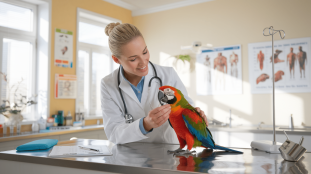
Finally, although you can provide many types of care, it is crucial to know when to seek professional help. If your bird shows persistent signs of weakness or refuses to eat, it requires prompt attention. A specialized veterinarian will be able to guide you precisely and help you make the best decisions for your companion.
So, what have you learned about caring for your bird? What are your experiences with care?